What Family members Ought To Understand About Transitioning to Memory Care
Business Name: BeeHive Homes of Henderson
Address: 1000 Greenway Rd, Henderson, NV 89002
Phone: (702) 551-0265
BeeHive Homes of Henderson
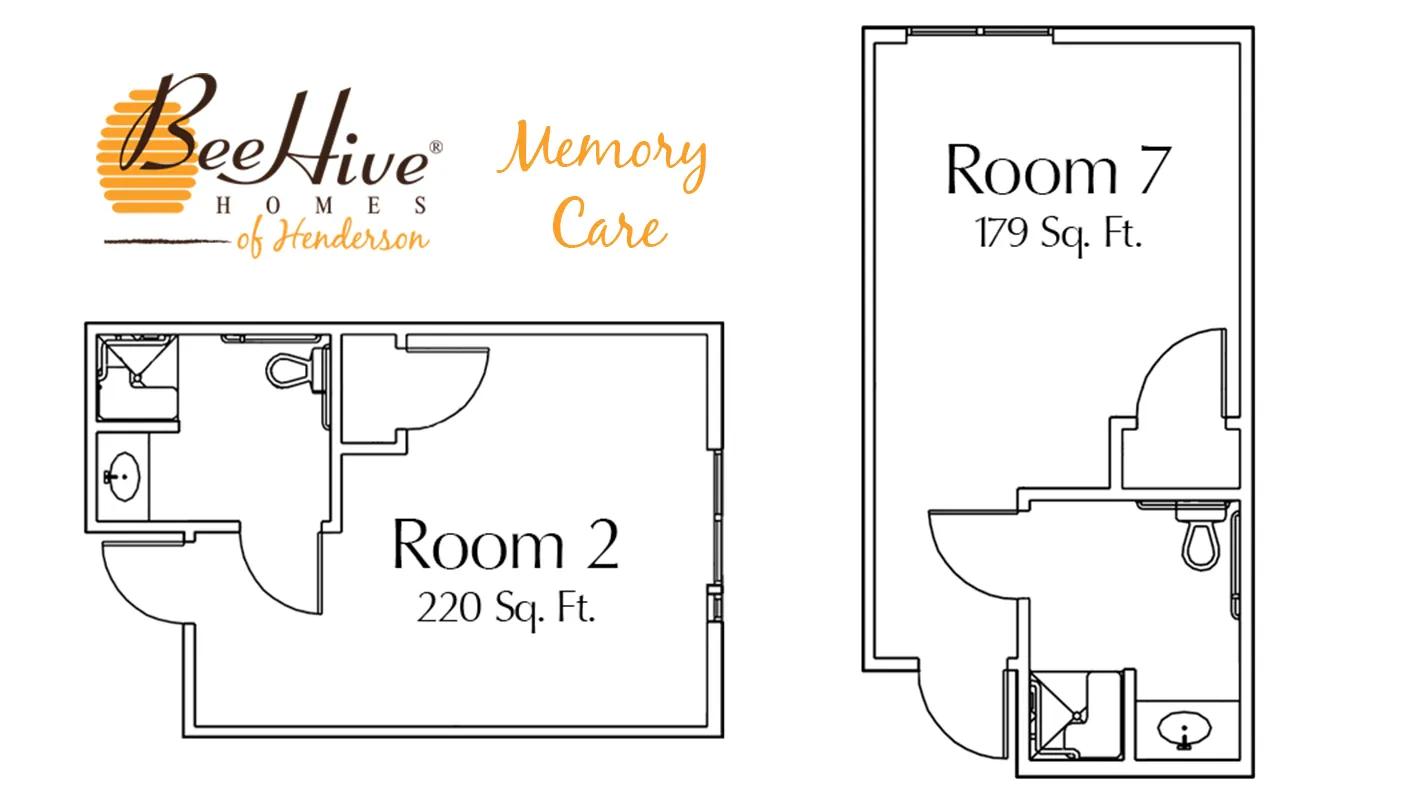
At BeeHive Homes of Henderson, Nevada, we offer the finest assisted living and memory care experience available in a cozy, comfortable homelike setting. Each of our residents has their own spacious room with an ADA approved bathroom and shower. We prepare and serve delicious home-cooked meals three times a day every day. We maintain a small, friendly community of only 20 residents per home. We provide regular activities that our residents find fun and contribute to their health and well-being. Our staff is attentive and caring and provides assistance with daily activities to our residents in a loving and respectful manner. We would like to invite you to tour and experience our memory care & assisted living home and feel the difference.
1000 Greenway Rd, Henderson, NV 89002
Business Hours
Moving a loved one into memory care is seldom a tidy, solitary decision. It typically starts as a string of small, worrying moments. A missed out on costs. A range heater left on. A familiar neighborhood instantly feeling confusing. A repeated question asked 6 times in ten minutes, adhered to by disappointment from everyone in the space. Households frequently reach this factor after months, often years, of attempting to manage at home with patience, suggestions, and improvisation.
That is why the change to memory care is not just a real estate decision. It is a care decision, a safety decision, and often a pain choice too. Even when the move is clearly the appropriate one, it can still feel like a loss. Households require practical info, yet they likewise require reassurance that picking even more support is not the like quiting. Oftentimes, it is the first time everyone entailed can lastly breathe.
When home care is no more enough
There is no single moment that tells a family members, now is the time. What usually occurs is more steady. An individual with dementia or another memory-related condition starts needing more supervision than one relative can realistically supply. Possibly they are straying during the night. Perhaps they neglect to eat. Perhaps they are coming to be questionable of caretakers, also relied on youngsters or partners. The care needs start to grow out of the home setup.
I have actually seen households wait also long since they were attempting to honor a pledge, or due to the fact that they thought moving would certainly feel like dishonesty. That delay is reasonable, however it can increase the threat of drops, medicine blunders, missed out on meals, and caregiver fatigue. Senior care works best when the relocation takes place prior to a situation requires everybody's hand. A rushed choice after a hospitalization or wandering event is much harder than a thoughtful shift intended over a few weeks or months.
It assists to ask not only whether a person can stay at home, yet whether they can stay home safely and regularly. That distinction matters. A home can be warm and acquainted, but familiarity does not prevent confusion, isolation, or nighttime anxiety. Memory care exists because standard home assistance and also general elder care usually are not developed for the specific patterns that feature memory loss.
What memory care really provides
Memory care is a specific kind of senior living near me search results page frequently point family members towards, however the expression can indicate various things depending on the community. At its ideal, memory care provides a protected setup, team trained in dementia assistance, structured routines, and daily oversight that decreases stress for both residents and family members.
That structure is one of the most significant differences. People coping with memory loss typically do much better when the day has a foreseeable rhythm. Dishes occur at regular times. Staff members find out individual practices and choices. Activities are readjusted so they feel feasible and meaningful, not childlike or overwhelming. Good memory care does not attempt to force everybody into the exact same layout. It pays attention to what calms one person and what unsettles another.
Security matters also, yet not in a chilly institutional means. Safe and secure departures, kept track of common locations, and thoughtful building style can help prevent wandering without making citizens feel entraped. Hallways are usually simplified, lighting is selected carefully, and visual hints may help citizens orient themselves. These details audio small until you have actually lived through a week of nighttime confusion. After that they become essential.
Families seeking memory care near me ought to ask how the area deals with medicine, meals, bathing assistance, behavioral modifications, and emergencies. Some areas give a high degree of assistance but differ in just how much individually interest they can offer. Others may be much better fit to citizens who are still relatively social however require aid with safety and everyday structure. The ideal fit depends upon the person's demands, not on the prettiest brochure.
Signs the relocation may be the best one
Families typically request for a definitive checklist, yet real life rarely works by doing this. Still, certain patterns typically aim toward memory care being the more secure and kinder choice. If your loved one is repeating harmful blunders, becoming disoriented in acquainted places, or requiring near-constant supervision, those are strong signals. If multiple relatives are rotating changes to keep a single person risk-free, that arrangement can work for a while, yet it is typically fragile.
A relocation is usually worth serious factor to consider when you see several of these patterns in day-to-day live:
Repeated roaming or getting lost, also in acquainted areas.
Issues handling drugs, meals, or fundamental hygiene in spite of reminders. Increased anxiousness, aggression, or sundowning that bewilders home routines. Caretaker fatigue that is influencing work, health, or household stability. 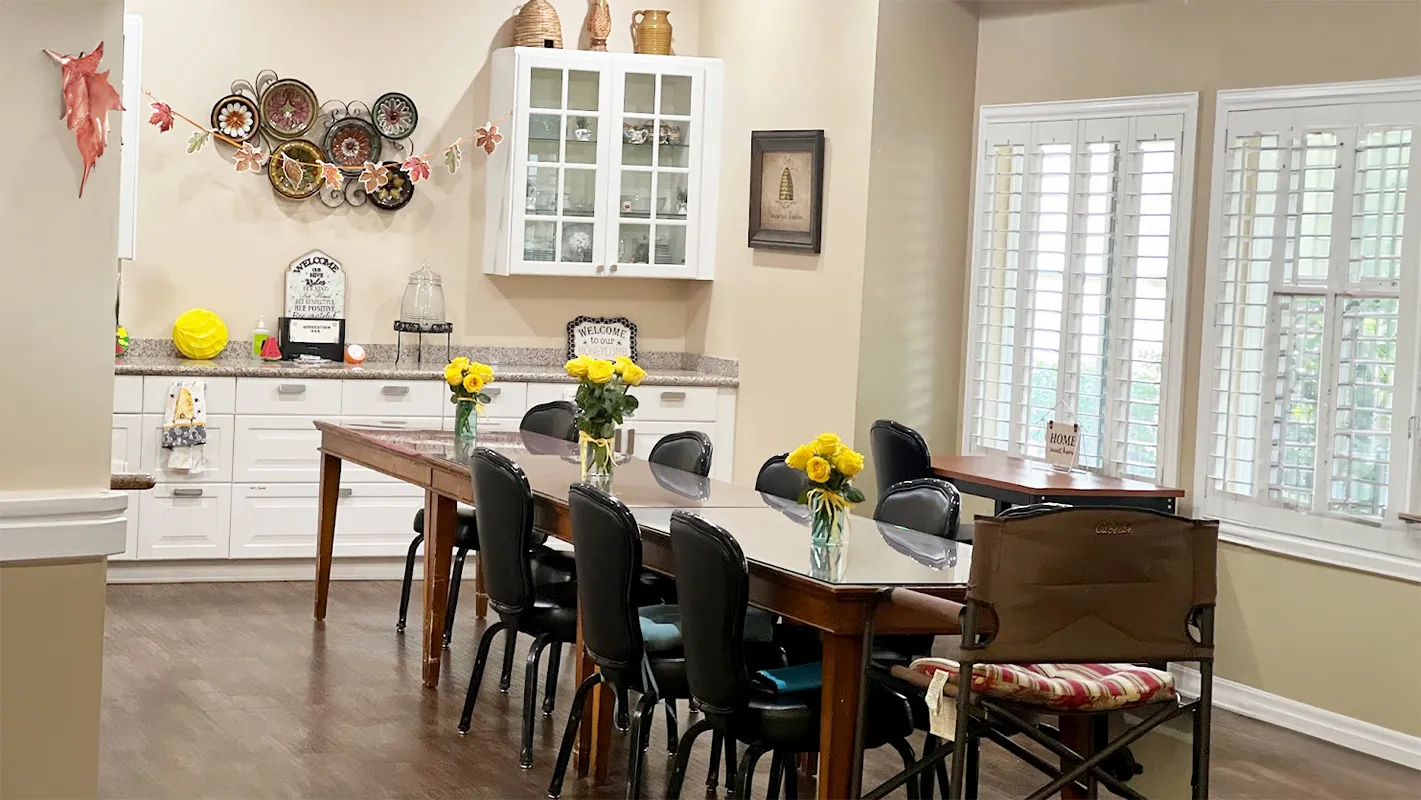
Those indications do not imply home care failed. They mean the care requirements have actually altered. That difference is necessary, especially for family members duke it outing shame. Memory loss conditions are dynamic, which indicates the support strategy needs to develop too.
The psychological side of the move
The emotional shift can be more challenging than the logistics. Lots of older grownups resist the concept of memory care since they are afraid being regulated, failed to remember, or identified. Some insist they are great, also when they are plainly not secure alone. Others become angry, which is typically a cover for concern. Households can mistake that anger for stubbornness when it is truly grief.
A practical method is to concentrate on convenience and assistance instead of on what a person can no more do. As opposed to saying, "You can't live alone anymore," it might be much easier to say, "We want a place where meals are managed, individuals are about, and assistance is close by if you require it." That framing areas self-respect without acting the threats do not exist.
It likewise helps to bear in mind that the individual relocating is not the just one adjusting. Adult children often bring a mix of alleviation and sorrow, often in the same hour. Spouses may really feel abandoned also when they understand the step is needed. Siblings may disagree regarding timing, expense, or degree of care. These stress are regular. They often tend to soften when family members quit saying about whether the relocation is suitable and begin asking how to make it kinder.
How to evaluate a community
Finding the appropriate memory care neighborhood takes greater than contrasting prices online. A tidy website does not inform you exactly how personnel speak with homeowners when a person is upset at 7 p.m. Or how much time it considers help to get here when a resident drops. Visiting face to face matters. So does asking direct questions, and then enjoying how the team responds.
When I chat with family members, I usually suggest they pay attention to tone as much as to functions. Do team member understand citizens by name? Do they make eye contact? Are citizens engaged, or mostly resting still? Are individuals walking calmly, or does the environment feel hurried and noisy? Those impacts are worth trusting.
It is additionally clever to ask whether the area is made particularly for memory care or whether it is a basic senior living near me choice with a memory support wing. Either version can work, but the details differ. A specialized memory care neighborhood may offer even more specific shows and staffing patterns. A broader senior living setting may supply even more flexibility if the individual has actually blended care demands or if a partner is relocating too.
Ask concerning staffing ratios, training, night protection, and exactly how the area deals with behavior changes. Ask what occurs when a resident comes to be anxious or declines care. Ask whether family members are invited into care planning meetings. Ask just how they record adjustments in hunger, sleep, or state of mind. Those are not snoopy concerns. They are the questions that show whether a neighborhood is gotten ready for the actual job of elder care.
Paying for memory care without losing your footing
Cost is frequently the hardest component of the conversation. Memory care is normally much more pricey than basic assisted living as a result of the additional supervision, staffing, and safe and secure environment included. The exact price differs commonly by area, degree of care, and community type, so it is far better to compare local choices thoroughly than to depend on national averages.
Families commonly require to consider the complete financial photo as opposed to just the month-to-month fee. Does the price consist of help with showering and drug administration? Are there surcharges for incontinence materials, unique eating assistance, or transportation? What occurs if requirements raise with time? A lower starting rate can come to be much more pricey once care degrees change.
It may likewise help to think of the cost of staying at home. Home adjustments, paid assistants, grown-up day programs, missed work, gasoline, and shed rest all accumulate. Sometimes a family members only sees the memory care cost and misses out on the hidden expense of attempting to maintain a delicate setup going. Respite care can be specifically useful here. A brief keep or temporary plan provides families time to contrast demands and sources without making a rushed permanent decision.
If financial resources are tight, ask communities what repayment resources they approve and whether they can assist households understand insurance policy or long-term care benefits if those are available. A great admissions coordinator need to want to walk through the useful side without pressure.
Preparing for the action day
The real relocation should be handled with even more calmness than drama, preferably. The objective is not to create an ideal day. The goal is to reduce confusion. Individuals with amnesia typically pick up on emotion more than on explanation, so a tense family members conference can make the change harder prior to the initial box is unpacked.
Bring acquainted products that bring meaning. A preferred chair, mounted pictures, a blanket, a light with an identifiable shape, a few publications, or a familiar radio station can all assist a new area feel less international. Way too much clutter can overwhelm, though, so balance comfort with simpleness. Homeowners typically do best when the area really feels personal however not crowded.
I have actually seen families make the move easier by establishing the area prior to the resident arrives, then maintaining the very first visit short and favorable. Lengthy farewells have a tendency to stir up anxiousness. A tranquility, practical tone typically functions better than an in-depth explanation that the person might not maintain. For many citizens, it helps to state, "This is your space now. Your points are here. We'll come back quickly," rather than trying to require a complete logical disagreement that they may not have the ability to follow.
It is also a good idea to coordinate with the care group about timing. Some homeowners do much better arriving before lunch, when they are less weary and the environment is more active. Others do better late early morning, after morning meal and medication have resolved in. The personnel typically understands what often tends to work in that setting.
The first few weeks matter a lot
The shift duration is when family members learn what the community can actually do. The first numerous weeks may consist of mood swings, complication, rest modifications, or refusal to get involved. That does not immediately mean the move was a blunder. It typically indicates the individual is adjusting to brand-new people, new noises, and a brand-new rhythm.
Families should anticipate some ups and downs. The resident might state they wish to go home, even if they are currently in a more secure area than they were previously. They might come to be clingy during visits or seem unusually withdrawn. Team should check these modifications and communicate clearly about what they are seeing. Good memory care areas do not sugarcoat challenging days, yet they likewise do not stress over every harsh morning.
This is a great time for member of the family to stay entailed without floating. Short, regular visits can be more useful than long, psychologically extreme ones. Bringing a treat, attending an activity, or helping enhance a room can all strengthen continuity. At the same time, households need to let the care group construct trust. Continuous second-guessing can make modification harder for everyone.
How respite care suits the larger picture
Respite care often plays a quiet however crucial function in the transition. Some family members use it as a trial run prior to a permanent action. Others utilize it as a break after caregiving has actually become physically or emotionally exhausting. In either case, it gives everyone a possibility to see exactly how the individual reacts to framework, supervision, and respite care routine outside the home.
A brief stay can expose points that are hard to see throughout a tour. Does the resident resolve even more quickly after meals? Do they appear calmer with constant hints? Are they consuming much better when someone else handles food and prompting? Those monitorings can clarify whether memory care is truly the far better fit.
Respite likewise matters for the family members caretaker. Burnout can blur judgment. Rest deprivation makes every decision really feel larger. Also a few days off can assist a partner or grown-up youngster think more plainly regarding the next step in senior care. That remainder is not a high-end. It is part of lasting elder care.
What families typically wish they had understood sooner
Most people who have currently made the relocation can inform you what they wish they had comprehended earlier. They desire they had not waited for a situation. They want they had asked much more concerns regarding staffing and day-to-day regimens. They wish they had trusted their own monitorings instead of brushing them aside. And, extremely frequently, they desire they had quit expecting themselves to do whatever alone.
Memory care is not the end of family involvement. In a lot of cases, it creates a much better variation of it. Families can go back to being little girls, sons, partners, and grandchildren as opposed to full time situation managers. That function shift can feel odd at first, particularly if caregiving has defined life for many years. Yet it can also bring back the parts of a partnership that ailment had crowded out.
The best shifts are hardly ever the best ones. They are the ones where households remain honest concerning the limits of home care, select an area that matches the individual's needs, and keep showing up after the relocation with patience and realism. A good memory care setting should feel like assistance, not surrender. When the fit is right, it comes to be a place where safety and self-respect can exist together, even as memory modifications shape over time.
BeeHive Homes of Henderson provides assisted living care
BeeHive Homes of Henderson provides memory care services
BeeHive Homes of Henderson provides respite care services
BeeHive Homes of Henderson supports assistance with bathing and grooming
BeeHive Homes of Henderson offers private bedrooms with private bathrooms
BeeHive Homes of Henderson provides medication monitoring and documentation
BeeHive Homes of Henderson serves dietitian-approved meals
BeeHive Homes of Henderson provides housekeeping services
BeeHive Homes of Henderson provides laundry services
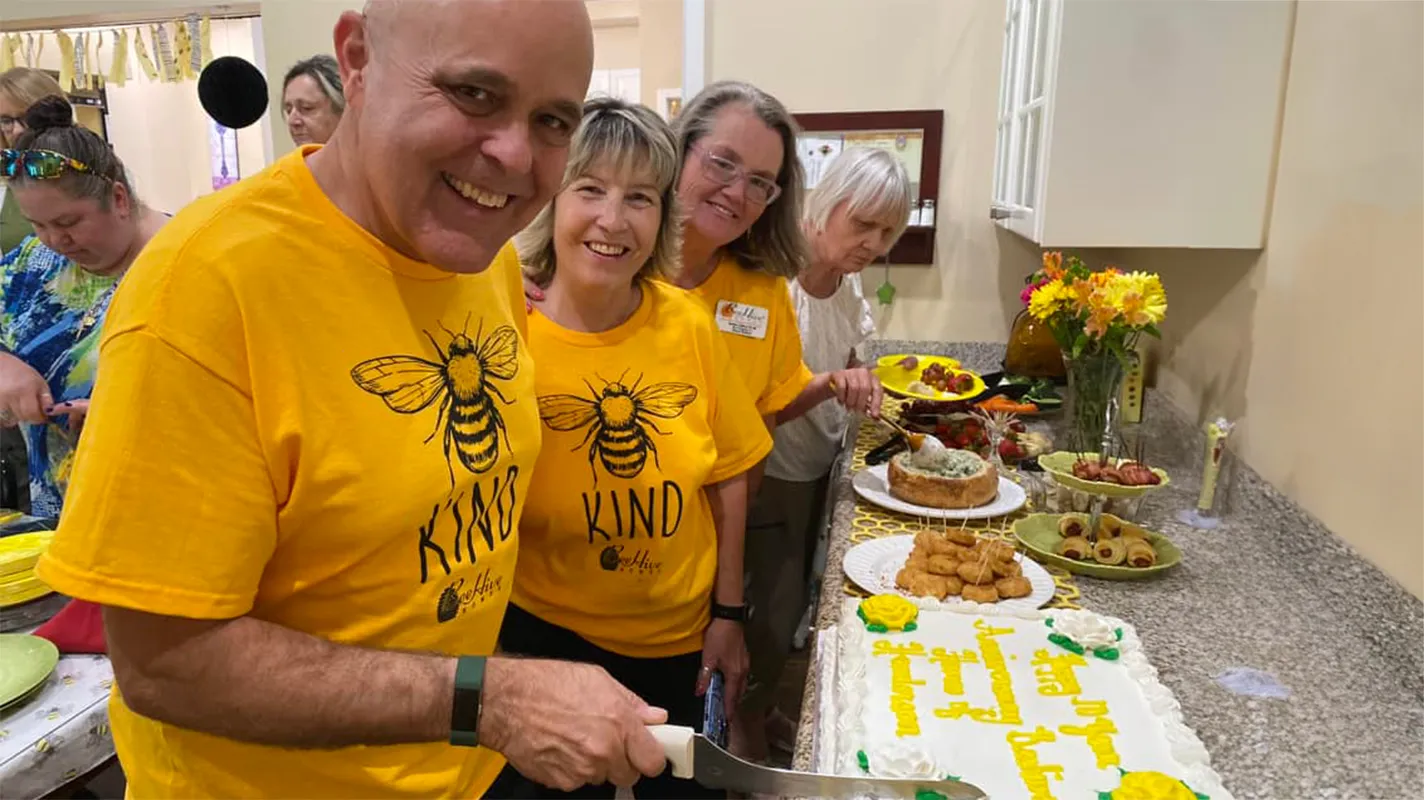
BeeHive Homes of Henderson offers community dining and social engagement activities
BeeHive Homes of Henderson features life enrichment activities
BeeHive Homes of Henderson supports personal care assistance during meals and daily routines
BeeHive Homes of Henderson promotes frequent physical and mental exercise opportunities
BeeHive Homes of Henderson provides a home-like residential environment
BeeHive Homes of Henderson creates customized care plans as residents’ needs change
BeeHive Homes of Henderson assesses individual resident care needs
BeeHive Homes of Henderson accepts private pay and long-term care insurance
BeeHive Homes of Henderson assists qualified veterans with Aid and Attendance benefits
BeeHive Homes of Henderson encourages meaningful resident-to-staff relationships
BeeHive Homes of Henderson delivers compassionate, attentive senior care focused on dignity and comfort
BeeHive Homes of Henderson has a phone number of (702) 551-0265
BeeHive Homes of Henderson has an address of 1000 Greenway Rd, Henderson, NV 89002
BeeHive Homes of Henderson has a website https://beehivehomes.com/locations/henderson/
BeeHive Homes of Henderson has Google Maps listing https://maps.app.goo.gl/qpZ3TKgbxCu1MVSh8
BeeHive Homes of Henderson has Instagram page https://www.instagram.com/beehivehomeshenderson/
BeeHive Homes of Henderson has an YouTube page https://www.youtube.com/@hamiltonshives4468
BeeHive Homes of Henderson won Top Assisted Living Homes 2025
BeeHive Homes of Henderson earned Best Customer Service Award 2024
BeeHive Homes of Henderson placed 1st for Senior Living Communities 2025
People Also Ask about BeeHive Homes of Henderson
What is BeeHive Homes of Henderson Living monthly room rate?
Our base rate is $4,700 per month for assisted living and $5,700 per month for memory care plus a one-time community fee of $2,500. We do an assessment of each resident's needs prior to move-in, so each resident's rate may be higher. These prices fall into three tiers based on resident needs and range from $4,700/month to $7,300/month. However, after we do the assessment and quote a price, there are no add-ons or hidden fees
Does Medicare and Medicaid pay for a stay at Bee Hive Homes?
Medicare pays for hospital and nursing home stays, but does not pay for assisted living. Some assisted living facilities are Medicaid providers but we are not. We do accept private pay, long-term care insurance, and we can assist qualified Veterans with approval for the Aid and Attendance program
Do we have a nurse on staff?
We do have a nurse on contract who is available as a resource to our staff but our residents' needs do not require a nurse on-site. We always have trained caregivers in the home and awake around the clock
What can you tell me about the food at Bee Hive?
You have to smell it and taste it to believe it! We use dietitian-approved meals with alternates available for flexibility, and we can accommodate needs for different textures and therapeutic diets. We have found that most physicians are happy to relax diet restrictions without any negative effect on our residents
Do we allow pets?
We do allow small pets as long as the resident is able to care for them. State regulations also require that we have evidence of current immunizations for any required shots
Where is BeeHive Homes of Henderson located?
BeeHive Homes of Henderson is conveniently located at 1000 Greenway Rd, Henderson, NV 89002. You can easily find directions on Google Maps or call at (702) 551-0265 Monday through Sunday 9:00am to 5:00pm
How can I contact BeeHive Homes of Henderson?
You can contact BeeHive Homes of Henderson by phone at: (702) 551-0265, visit their website at https://beehivehomes.com/locations/henderson/ or connect on social media via Instagram or Facebook
Take a drive to Yoshiya Japanese Kitchen. Yoshiya Japanese Kitchen offers a nearby dining destination where families supporting loved ones through Assisted living memory care senior care elderly care and respite care can gather for quality time together.